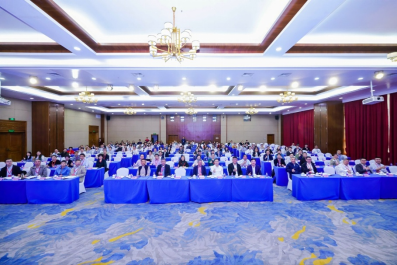
From November 29 to December 1, 2025, the 1st Academic Symposium on Autotrophic Microorganisms of the Chinese Society for Microbiology, jointly hosted by Hainan University and the Professional Committee on Autotrophic Microorganisms of the Chinese Society for Microbiology, and co-organized by the Institute of Tropical Bioscience and Biotechnology of the Chinese Academy of Tropical Agricultural Sciences, the Institute of Deep-sea Science and Engineering of the Chinese Academy of Sciences, and other units, was held in Haikou. Lu Yandu and Zeng Xiaoli from the Institute of Hydrobiology, Chinese Academy of Sciences, served as Chairs of the Executive Committee, with Huang Ruiping and Yu Zhaojun serving as Executive Committee Secretaries.
Themed "Innovative Research and Sustainable Development of Autotrophic Microorganisms," the conference gathered more than 200 experts, scholars, and young researchers from over 70 units, establishing a high-level platform for academic exchange and cooperation to support the continuous innovation and high-quality development of autotrophic microbiology research in China.
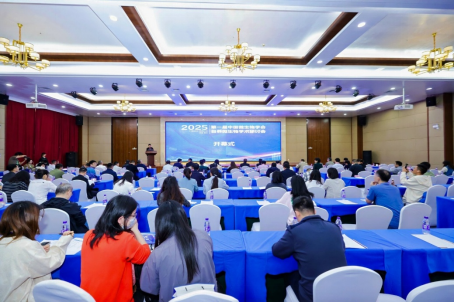
Multiparty Collaboration Gathers Strength; Academic Feast Opens in the Coconut City
This seminar received careful guidance from the Chinese Society for Microbiology. The conference academic committee was chaired by Zhao Jindong, Academician of the Chinese Academy of Sciences, as Honorary Director, and Researcher Zhang Chengcai from the Institute of Hydrobiology, CAS, as Director. Several renowned experts in the field, including Pan Junmin and Yang Chen, served as Deputy Directors.
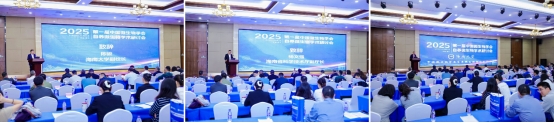
On the morning of November 30, the opening ceremony was grandly held in the Harmony Hall. Vice President Chen Jun of Hainan University, Deputy Director Yang Wenqiang of the Department of Science and Technology of Hainan Province, and Director Zhang Chengcai of the Professional Committee on Autotrophic Microorganisms of the Chinese Society for Microbiology delivered speeches successively. They extended warm congratulations on the convening of this seminar, emphasized the significance of autotrophic microorganism research in theoretical innovation, industrial upgrading, and ecological protection, and wished the conference a complete success.
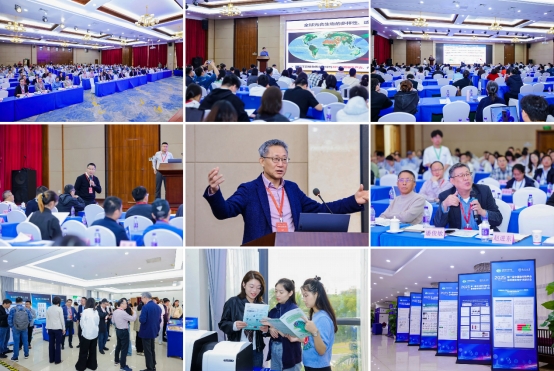
Multidimensional Forums Promote Exchange; Frontier Achievements Shared Together
During the seminar, more than 10 top domestic and international experts were invited to give plenary reports. Three parallel sessions featured 48 special reports by experts and scholars, as well as 26 dedicated reports by graduate students. In addition, participants showcased their latest research results through posters. With multi-format and multi-level content, this seminar comprehensively covered core areas such as basic research, technological innovation, and industrial application of autotrophic microorganisms. It not only demonstrated the academic vitality of interdisciplinary integration but also highlighted the vigorous development trend of this field, rooted in application and advancing in diversity.
Fruitful Results and Deep Significance; Writing a New Chapter of Cooperation
On the morning of December 1, the closing ceremony of the conference was successfully held. An award ceremony for excellent graduate student reports was held at the closing ceremony to commend students who performed outstandingly in the graduate forum, encouraging the younger generation to bravely scale the peaks of scientific research. The subsequent lucky draw added a joyful atmosphere to the conference, giving attendees unexpected surprises while gaining academic knowledge.
The successful holding of this seminar not only concentratedly showcased the latest research achievements in China's autotrophic microorganism field regarding physiological, biochemical, and metabolic mechanisms, environmental remediation and carbon neutrality, omics and synthetic biology, and resource development and industrial application, but also built an interdisciplinary and cross-field academic exchange platform, promoting the collision of ideas and cooperative docking among researchers.